China has been increasing its international mediation efforts in recent years, particularly in conflicts in the Middle East and Africa, as part of its broader foreign policy goals. China’s growing involvement in international mediation is seen as a reflection of its rising power and influence on the world stage.
One of the most significant examples of China’s mediation efforts is its involvement in the Iran nuclear deal. In 2015, China was one of the six major powers that negotiated the agreement with Iran, which aimed to limit Iran’s nuclear program in exchange for sanctions relief. Since then, China has played an important role in trying to salvage the deal, which has been threatened by the US withdrawal in 2018 and Iran’s subsequent violations.
China has also been involved in mediation efforts in other conflicts in the Middle East. For example, it has been working with Russia to broker a political solution to the Syrian civil war, and has been involved in talks on ending the conflict in Yemen. In addition, China has been increasing its engagement with the Gulf states, particularly Saudi Arabia and the United Arab Emirates, as part of its broader economic and strategic interests in the region.
China’s mediation efforts are not limited to the Middle East, however. It has also been involved in efforts to resolve conflicts in Africa, particularly in South Sudan and Sudan. In 2018, China hosted talks between the government of South Sudan and opposition groups, which resulted in a peace agreement. China has also been involved in mediation efforts in the Central African Republic and has been providing peacekeeping troops to the UN mission there.
China’s growing involvement in international mediation reflects its desire to be seen as a responsible and influential global power. It is also part of its broader foreign policy goals, which include promoting its economic and strategic interests around the world. However, China’s mediation efforts are not without controversy, particularly when it comes to issues of human rights and democracy. Some critics argue that China’s involvement in mediation efforts may undermine the efforts of other countries and institutions, and may reflect a more authoritarian and self-interested approach to foreign policy.
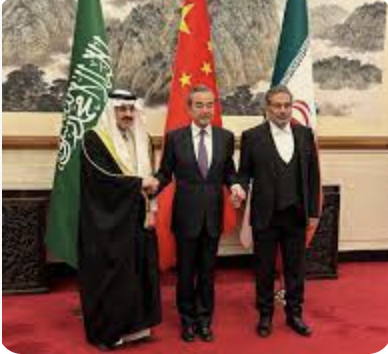
Recently, there have been reports that Saudi Arabia and Iran have engaged in talks, facilitated by Iraq, to ease tensions between the two regional rivals. The talks are seen as a significant development given the long-standing hostility between the two countries and their involvement in various regional conflicts.
China has been involved in efforts to resolve conflicts in the region, particularly in Syria and Yemen, and has been supportive of diplomatic efforts to ease tensions between regional rivals. However, it has been careful not to take sides in regional conflicts, and its mediation efforts have been primarily aimed at promoting stability and advancing its own interests.
The recent talks between Saudi Arabia and Iran are a positive development, but it remains to be seen whether they will lead to a broader rapprochement between the two countries. China’s role in future mediation efforts will depend on a range of factors, including the interests and priorities of both Iran and Saudi Arabia, as well as the broader regional and global context.
 US-China Relations Updates
Leave a comment