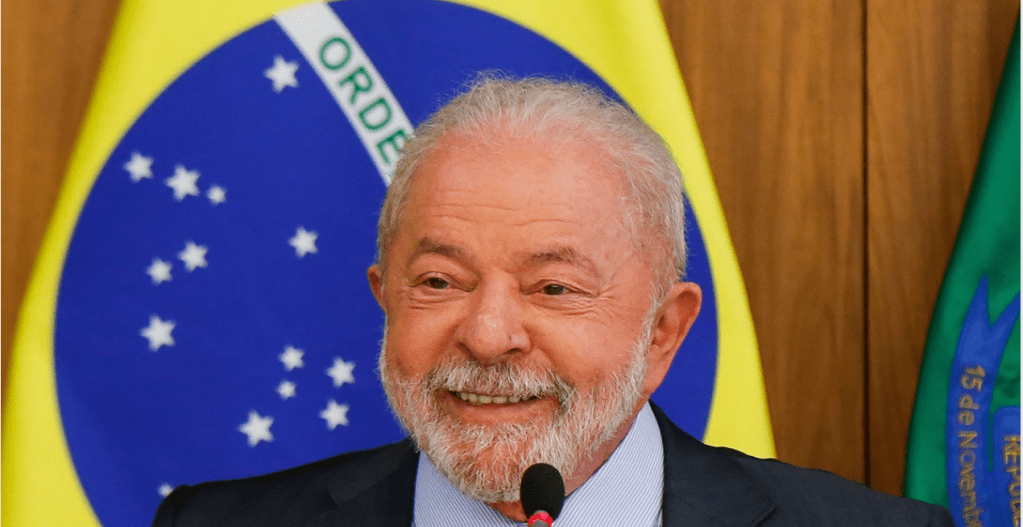
The visit of Brazilian President Lula to China can have several impacts on China and the United States. Here are a few possible scenarios:
- Strengthening of China-Brazil relations: The visit could strengthen the already close economic and political ties between China and Brazil. China is Brazil’s largest trading partner, and the two countries have cooperated on a range of issues, including infrastructure development, energy, and agriculture. The visit could lead to the signing of new agreements and further boost economic ties between the two countries.
- Potential impact on US-Brazil relations: The visit could strain relations between Brazil and the United States, which have been somewhat frosty under the Biden administration. Lula is a left-leaning politician who has criticized some of the policies of the United States, particularly regarding trade and foreign policy. His visit to China could be seen as a signal that Brazil is looking to diversify its economic and political partnerships beyond the United States.
- Geopolitical implications: The visit could have broader geopolitical implications, particularly in the context of the ongoing competition between the United States and China for influence in the region. Brazil is a key player in South America, and its relationship with China could have implications for other countries in the region. For example, if China were to increase its investment in Brazil, this could potentially impact the United States’ economic influence in the region.
Overall, the impact of Lula’s visit to China will depend on the specific outcomes of the trip and how other countries, particularly the United States, respond to any agreements or developments that emerge from the visit.
How has the US responded to Brazil’s relationship with China in the past?
The United States has expressed concerns about Brazil’s relationship with China in the past, particularly regarding the potential for Chinese investment in critical infrastructure and technology. In recent years, the United States has increasingly viewed China as a strategic competitor and has sought to limit China’s economic and political influence in the region.
For example, in 2020, the United States warned Brazil against allowing Chinese telecom company Huawei to participate in the country’s 5G network, citing concerns about espionage and national security. The United States has also expressed concerns about China’s investment in Brazil’s energy sector, which could potentially give China greater influence over Brazil’s energy policies.
However, Brazil has generally resisted pressure from the United States to limit its relationship with China. Brazilian officials have emphasized the importance of economic cooperation with China and have argued that China is a key market for Brazilian exports. Brazilian President Jair Bolsonaro has also expressed a desire to further develop the country’s relationship with China, despite his generally pro-US stance.
It remains to be seen how the United States will respond to President Lula’s visit to China, but given the Biden administration’s focus on countering China’s influence, it is possible that there could be some tensions between the two countries over Brazil’s relationship with China.
How has China responded to the United States’ concerns about its relationship with Brazil?
China has generally dismissed the United States’ concerns about its relationship with Brazil, arguing that it is based on a zero-sum mentality and that China’s cooperation with Brazil is mutually beneficial and does not target any third party.
Chinese officials have also emphasized that China’s relationship with Brazil is based on the principles of mutual respect, equality, and non-interference in each other’s internal affairs. They have argued that China’s investment in Brazil is focused on infrastructure, energy, and agriculture , and that it is not aimed at challenging the United States’ economic or political influence in the region.
However, the United States’ concerns about China’s growing influence in Latin America have been a topic of discussion in Beijing. Chinese officials have acknowledged that they need to be sensitive to the concerns of other countries, including the United States, and have sought to reassure the region that China’s intentions are peaceful and that it respects the sovereignty of other nations.
Overall, China’s response to the United States’ concerns about its relationship with Brazil has been one of diplomacy and reassurance, while also emphasizing the importance of China’s economic cooperation with Latin American countries.

 US-China Relations Updates
Leave a comment