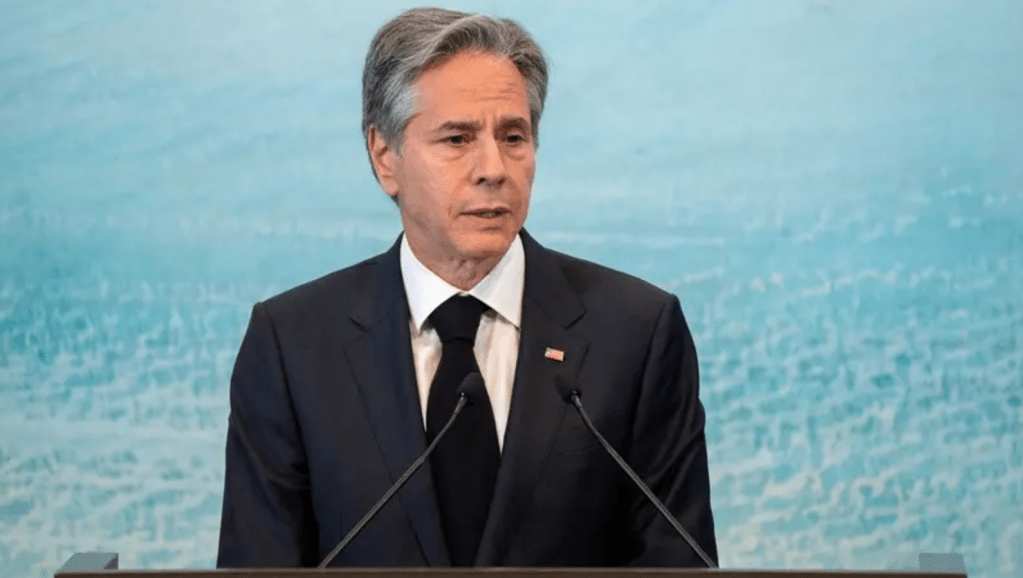
“China must make clear its intentions to keep engaging with the US”, Secretary of State Antony Blinken said two days ago, as the world’s biggest economies struggle to move past a spat over the shooting down of an alleged Chinese spy balloon in February.
“Countries around the world expect us to manage the relationship with China responsibly,” Blinken told reporters on Tuesday at the close of the Group of Seven foreign ministers’ meeting at a mountain resort northwest of Tokyo. “And that starts with engagement, with having lines of communication.”
Comments from US-China Relations Updates:
- Why Blinken is eager to contact Chinese: because they are afraid that Chinese will start war that US are not ready, so they want to talk to Chinese and ask, hope Chinese can provide clear answer;
- Secretary of State Blinken is seeking to establish contact with Qin Gang(should be the right person), the current Foreign Minister of China and former Chinese embassador to the US. However, during Qin’s time in the US as an ambassador, he reportedly did not receive the level of respect that he deserved, which some speculate may be a reason why Blinken has had difficulty connecting with him for talks.
- The Chinese were aware that one of Blinken’s objectives was to discuss the possibility of a meeting between President Xi and President Biden. However, the Chinese were not interested in arranging such a meeting at this time, and therefore avoided engaging in discussions with Blinken.
- China is currently engaging with the US through various means, such as the upcoming visits by senior officials from the US Department of Commerce, including Elizabeth Erin Walsh, to Beijing and Shanghai to prepare for Commerce Secretary Raimondo’s potential visit to China later this year. While China may be avoiding talks with Blinken at this time, they remain open to dialogue and communication with the US through other channels.
- The statement from China’s foreign ministry did not provide specific suggestions for what the US should do instead of putting “guardrails” on the countries’ relations. However, China has consistently called for the US to respect its sovereignty and territorial integrity, and to engage in dialogue and cooperation on the basis of mutual respect and equality. It is possible that China would prefer the US to adopt a more cooperative and constructive approach to bilateral relations, rather than one that seeks to contain or constrain China’s rise as a global power.

 US-China Relations Updates
Leave a comment