Overview
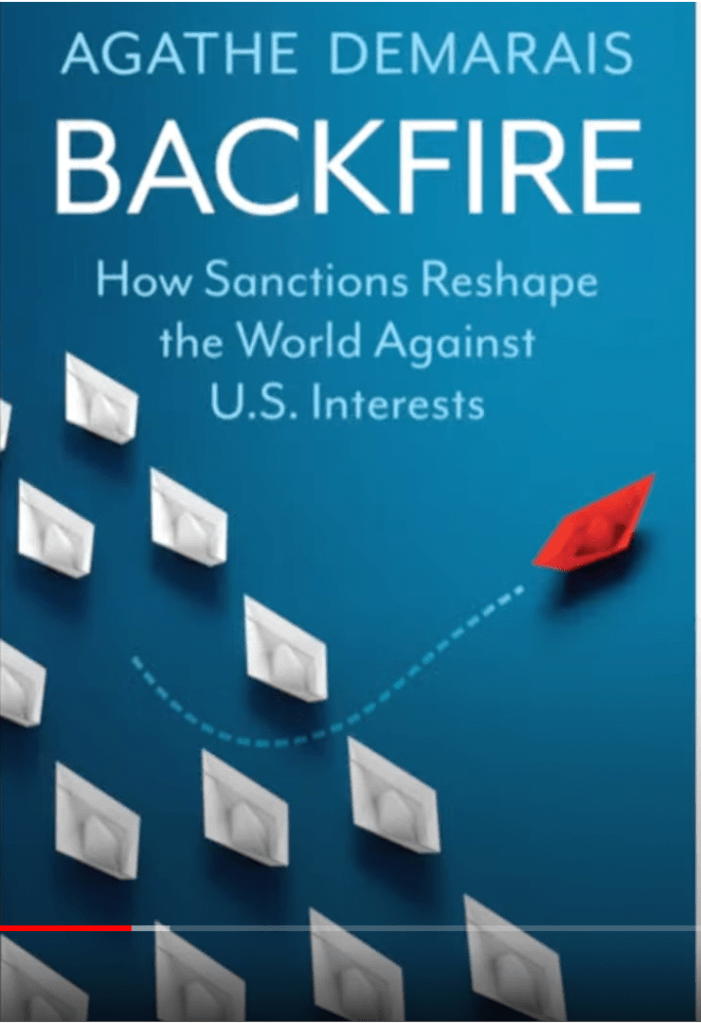
“Backfire: How Sanctions Reshape The World Against US Interest” dives into the complex world of international relations and economic policy, offering a critical analysis of the often unintended consequences of economic sanctions imposed by the United States. The author presents an interesting and meticulously researched narrative, detailing the impact of sanctions on both targeted countries and the global economy. Through a series of case studies and expert analysis, the book provides an insightful examination of how these policies can sometimes backfire and work against US interests.
Thematic Breakdown
“Backfire” is divided into several sections, each focusing on different aspects of economic sanctions and their impacts.
- Historical Context: The author begins by providing a comprehensive background on the use of economic sanctions in US foreign policy, highlighting key moments that have shaped the practice over the years. This section serves as a solid foundation for the rest of the book and helps readers understand the strategic importance of sanctions.
- Case Studies: The book includes several case studies that illustrate the consequences of US-led sanctions against countries such as Iran, North Korea, Russia, and Venezuela. These chapters offer an in-depth look at the economic, political, and social ramifications of sanctions, demonstrating how they can sometimes lead to the formation of new alliances and trade partnerships that undermine US influence.
- The Global Impact: The author dedicates a significant portion of the book to examining the broader effects of sanctions on the global economy, including the rise of alternative financial systems and the increasing prominence of non-Western powers. This section explores how sanctions have unintentionally contributed to the erosion of US dominance in the international system.
- The Human Cost: The book also addresses the humanitarian consequences of sanctions, arguing that they often disproportionately affect the most vulnerable populations in targeted countries. The author presents numerous examples of how sanctions have exacerbated economic crises, leading to food shortages, medical supply shortages, and widespread suffering.
- Policy Recommendations: In the final section of the book, the author offers a set of policy recommendations for US decision-makers, emphasizing the need for a more nuanced approach to economic statecraft. This includes exploring alternative tools of diplomacy and considering the potential long-term consequences of sanctions before implementing them.
Strengths and Weaknesses
“Backfire” is an engaging and well-researched book that sheds light on an important aspect of US foreign policy. The author presents a compelling argument, demonstrating the potential pitfalls of relying too heavily on economic sanctions as a tool of diplomacy. The inclusion of case studies and historical contests adds depth to the narrative, providing readers with a thorough understanding of the subject matter.
However, the book could have benefited from a more balanced perspective, as it tends to focus primarily on the negative consequences of sanctions. While the author does acknowledge that sanctions can be effective in certain situations, a more in-depth exploration of successful cases would have provided a more comprehensive analysis.
Conclusion
“Backfire: How Sanctions Reshape The World Against US Interest” is a thought-provoking and well-researched examination of the unintended consequences of economic sanctions. The author skillfully weaves together historical context, case studies, and expert analysis to offer an insightful and cautionary tale about the potential pitfalls of relying on sanctions as a primary tool of diplomacy. While the book could have benefited from a more balanced perspective, it remains an important contribution to the field of international relations and economic policy.
 US-China Relations Updates
Leave a comment