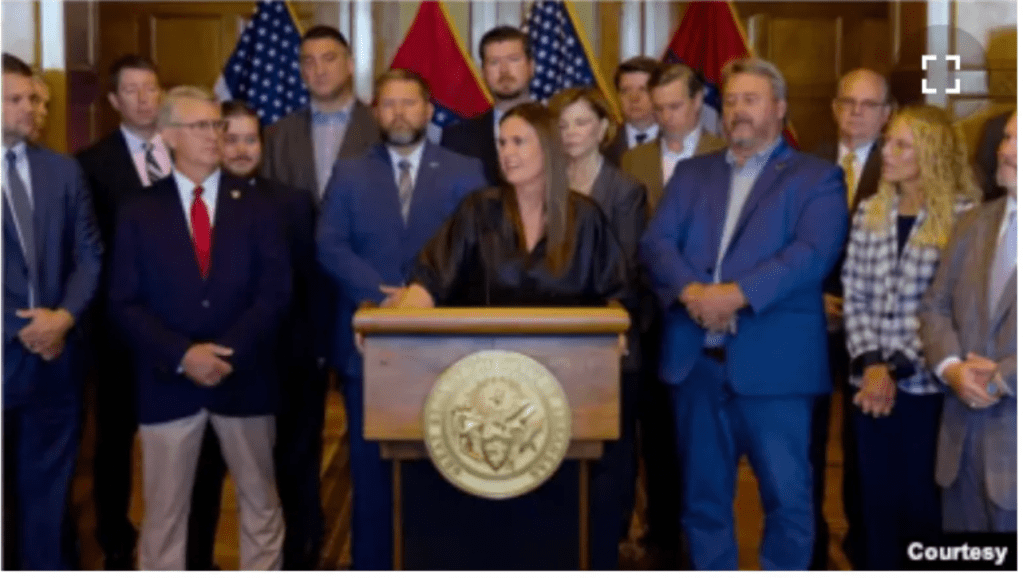
The Arkansas state government in the United States issued an order on Tuesday (October 17th) requiring the local seed company Syngenta to sell its 160 acres of farmland in the state within two years. The reason behind this decision is that the company is owned by a Chinese state-owned corporation. This is seen as the first enforcement action by a US state government against a Chinese company owning American farmland. However, this decision has faced strong criticism from Syngenta, a global seed company.
Commentary: The United States is currently as anxious as an ant on a hot pan every day. We have repeatedly mentioned that Chinese investors’ ownership of US farmland accounts for less than 1% of the total foreign ownership, while Canada and the Netherlands, which have the largest holdings, account for 29% and 14%, respectively. Chinese investment in US agriculture does not pose a threat, but it makes the US go into panic mode when it comes to China.
The concerns expressed by the US regarding Chinese investment in agriculture can be attributed to several factors:
- National Security: Agriculture is considered a critical sector for national security in many countries, including the United States. Control over food production and supply chains is seen as vital for maintaining domestic stability and minimizing vulnerabilities. Some US officials and policymakers have raised concerns that foreign ownership, particularly by Chinese companies with ties to the Chinese government, could potentially compromise food security or pose risks to the agricultural industry.
- Technology and Intellectual Property: Chinese investment in agriculture may involve the acquisition of advanced agricultural technologies, intellectual property, or access to proprietary farming practices. The US has been wary of intellectual property theft and technology transfer concerns related to Chinese investments in various sectors, including agriculture. There are concerns that such investments could lead to the transfer of sensitive technologies or valuable intellectual property to Chinese companies, potentially impacting US competitiveness.
- Economic Impact: Chinese investment in US agriculture, particularly in acquiring farmland, has raised concerns about the impact on local communities, farmers, and the rural economy. Critics argue that foreign ownership of agricultural land could drive up land prices, disrupt local farming operations, and potentially lead to the consolidation of farmland under foreign control. These concerns are not specific to China but are relevant to any foreign investment in agriculture.
- Geopolitical Considerations: The US-China relationship is characterized by geopolitical competition and strategic rivalry. In this context, Chinese investment in sensitive sectors, including agriculture, is often viewed through a geopolitical lens. The US government has scrutinized Chinese investments more closely in critical sectors, including agriculture, due to concerns about China’s growing influence and potential for leveraging economic power for political purposes.
It is important to note that while Chinese investment in US agriculture has drawn attention, the US also closely monitors investments from other countries, particularly those with large agricultural holdings in the US, such as Canada and the Netherlands. The specific concerns and level of scrutiny may vary depending on the geopolitical context and perceived risks associated with each country.
 US-China Relations Updates
Leave a comment